








Key Takeaways
- 1.LeanData is best for enterprise RevOps teams managing complex, Salesforce-native lead-to-account matching and layered territory routing. It delivers deep control, but expect higher cost, longer implementation cycles, and ongoing Salesforce admin dependency.
- 2.RingLead is best for teams fixing CRM decay. If duplicate records, inconsistent enrichment, and reporting distortion are your main risks, its deduplication and data governance capabilities are strong.
- 3.Default is best for GTM teams that need routing, enrichment, deduplication, and ownership automation operating together, reducing tool sprawl, admin burden, and execution gaps as they scale.
LeanData vs RingLead usually means your RevOps stack is under pressure — routing delays, duplicate records, or territory rules that keep breaking inside Salesforce.
The platforms solve different problems:
- LeanData is built for complex, Salesforce-native lead-to-account matching and territory routing.
- RingLead focuses on CRM hygiene, deduplication, and data governance.
- Default unifies routing, enrichment, and ownership automation in one execution layer.
Below, we compare pricing, features, and trade-offs so you can choose the right fit.
LeanData vs RingLead vs Default: how do they compare?
The right choice depends on your bottleneck: routing complexity, CRM data decay, or fragmented execution across systems.
Who is LeanData best for?

LeanData is designed for enterprise RevOps teams running complex, Salesforce-native routing models.
Best fit:
- Multi-region territories with layered ownership and product overlays
- Strict speed-to-lead SLAs tied to conversion performance
- Deep lead-to-account matching inside Salesforce
- Teams with dedicated Salesforce admin resources
If advanced territory routing is your primary constraint, LeanData fits.
Who is RingLead best for?
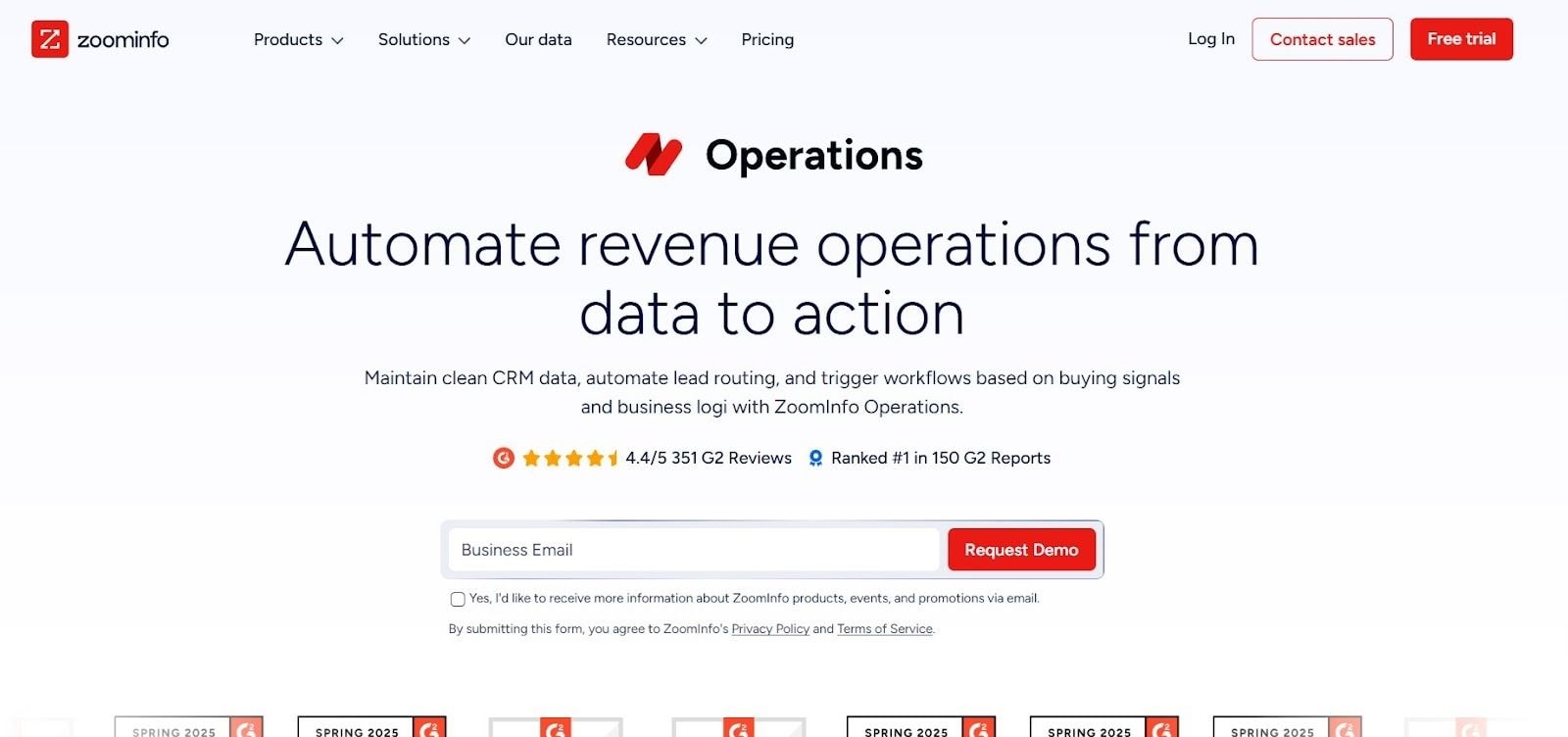
RingLead is designed for operations teams where CRM data integrity is the main revenue risk.
Best fit:
- RevOps teams dealing with duplicate records and distorted reporting
- Organizations focused on large-scale deduplication and governance
- Aging Salesforce environments with record decay
- Teams prioritizing CRM hygiene before advanced routing
If data quality is your constraint, RingLead addresses the foundation.
Why is Default a better alternative?
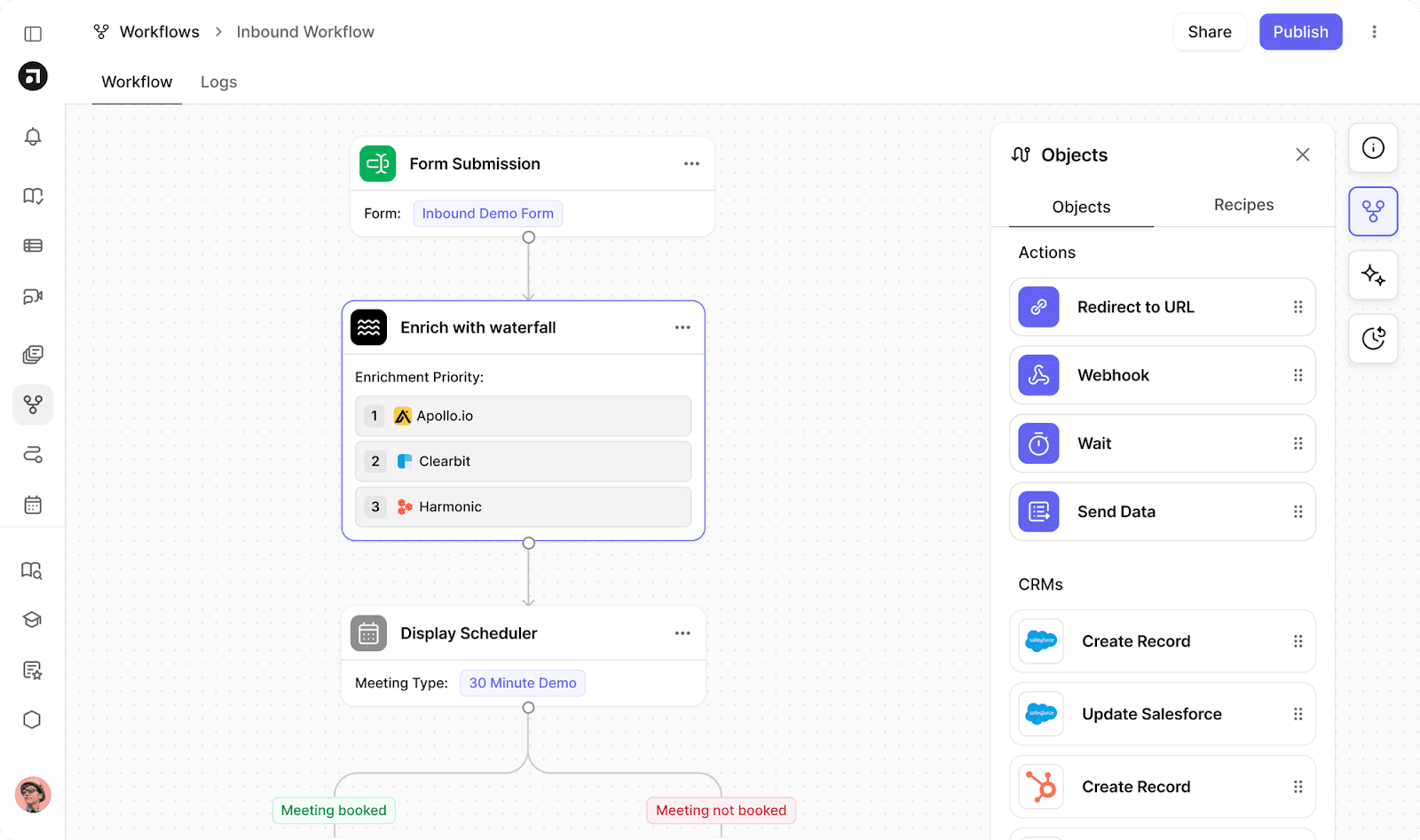
LeanData focuses on routing. RingLead focuses on data hygiene. Most RevOps teams need both — plus enrichment and ownership governance — working together.
Default consolidates lead routing, enrichment, deduplication, and workflow automation into one RevOps execution layer.
Core differentiators:
- Real-time routing with SLA enforcement: Territory logic, round-robin, and exception handling in one workflow.
- Waterfall enrichment without vendor sprawl: Triggered automatically within routing and qualification flows.
- Built-in automated deduplication: Prevent duplicates before they distort pipeline or break attribution.
- Unified ownership orchestration: Manage named accounts, overrides, and lifecycle handoffs centrally.
- Faster deployment: Less Salesforce rule sprawl and lower admin dependency.
Default pricing overview
Default aligns pricing with routing volume and workflow complexity (not fragmented add-ons), reducing total operational cost.
LeanData vs RingLead: pricing
Pricing isn’t just about subscription cost; it’s about total operational overhead.
Implementation time, Salesforce admin dependency, and required add-ons all shape true ROI.
Here’s how LeanData and RingLead compare.
LeanData pricing
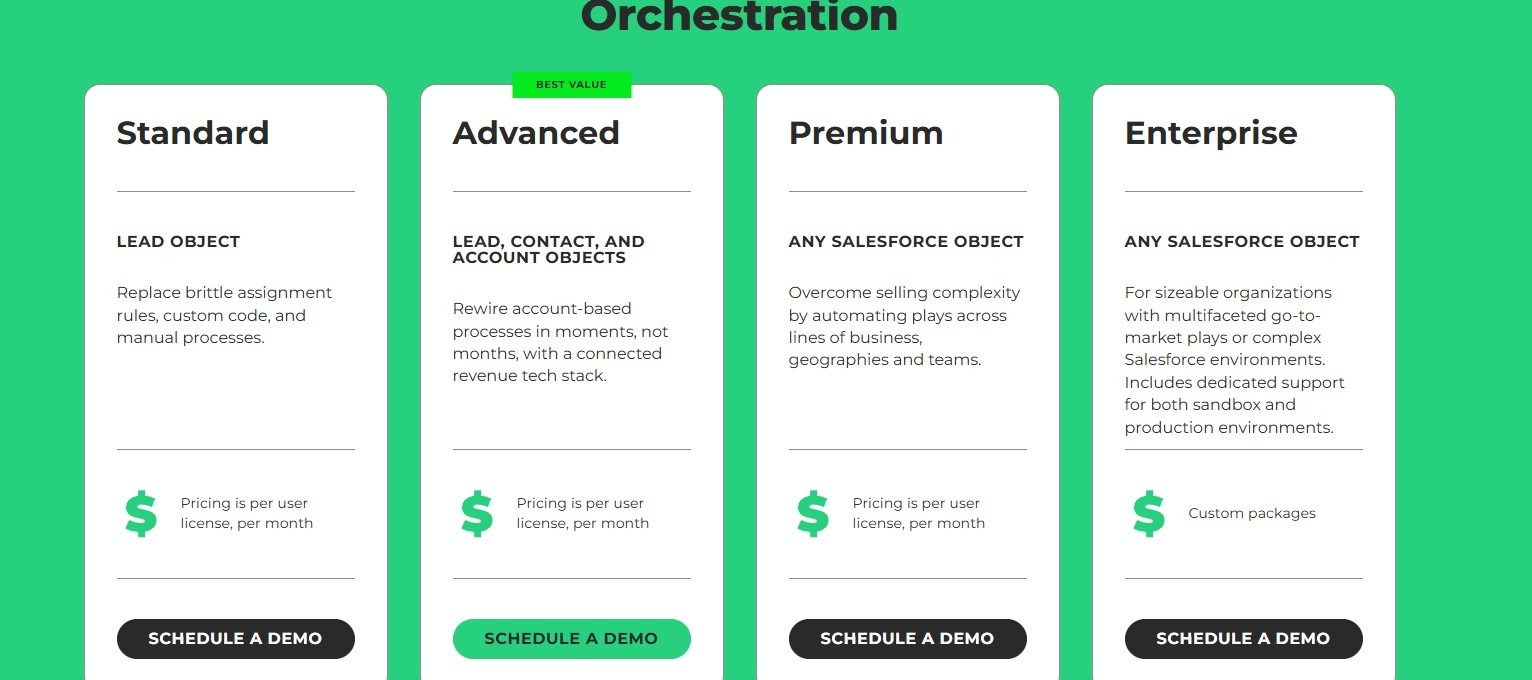
LeanData operates on custom enterprise pricing, typically based on Salesforce record volume, routing complexity, and feature tier.
Key cost considerations:
- Enterprise-oriented contracts designed for complex Salesforce environments
- Routing depth increases implementation effort and onboarding scope
- Ongoing territory rule maintenance often requires dedicated admin ownership
- Add-ons and integrations can raise total contract value
LeanData’s pricing reflects its positioning as a Salesforce-native routing engine, but total cost often extends beyond the license.
RingLead pricing
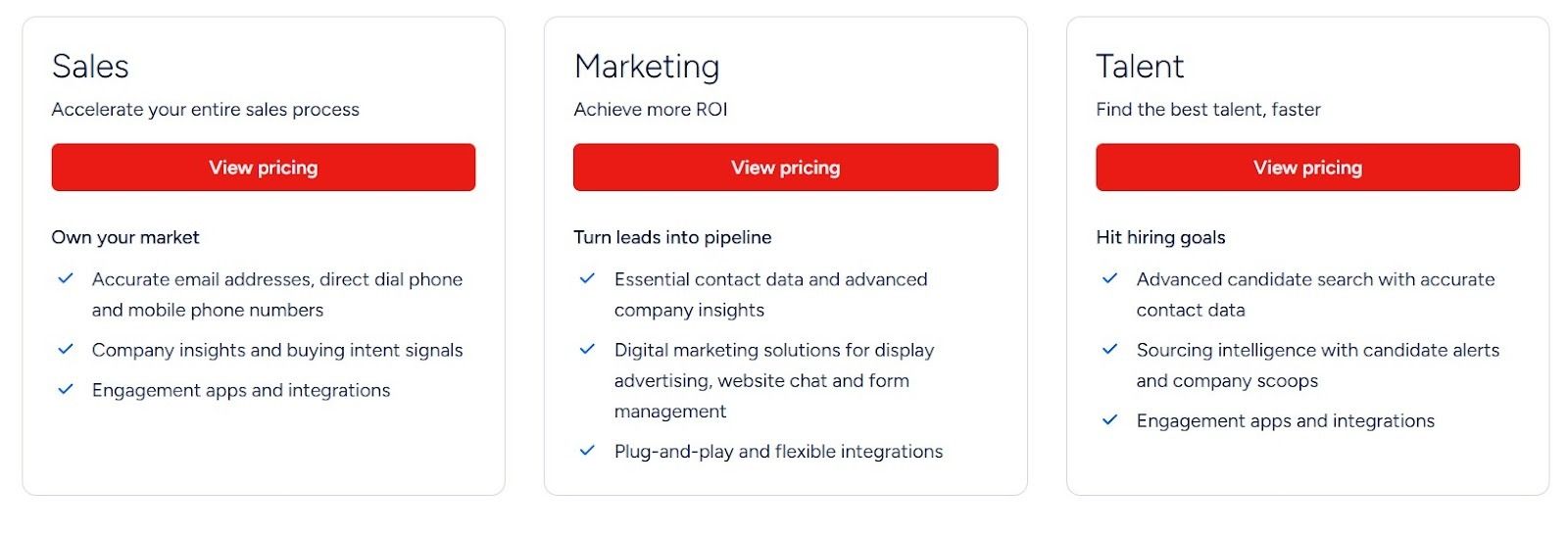
RingLead also follows custom pricing, typically influenced by database size and selected data hygiene modules.
Key cost considerations:
- Pricing scales with deduplication scope and CRM record volume
- Enrichment and governance modules may be priced separately
- Strong fit for database cleanup and normalization initiatives
- Does not typically replace routing or orchestration tools
RingLead’s cost structure aligns with CRM hygiene, but it usually complements other systems rather than consolidating them.
Pricing verdict
LeanData generally carries a higher total cost due to routing complexity and Salesforce implementation depth.
RingLead can be more cost-efficient for teams focused purely on deduplication and data governance.
(But if you need routing, enrichment, and orchestration together, stacking point solutions often inflates overall GTM spend, which is where Default becomes the more scalable long-term investment.)
LeanData vs RingLead: customer support
Support can be a differentiator once you’re implementing complex rules or cleaning large datasets. Here’s how LeanData and RingLead compare.
LeanData: customer support
LeanData offers a support and enablement model built for teams implementing Salesforce-native routing logic.
Support considerations:
- Standard technical support included with subscriptions (issue resolution + configuration help)
- Self-serve Help Center for troubleshooting, guides, and ongoing product updates
- Training resources (live / on-demand learning content) to support admins and operators
- Professional Services available for guided implementation and complex deployment
If your routing setup is complex and you want optional hands-on help during rollout, LeanData is one of the clearer “services-forward” options in this category.
RingLead: customer support
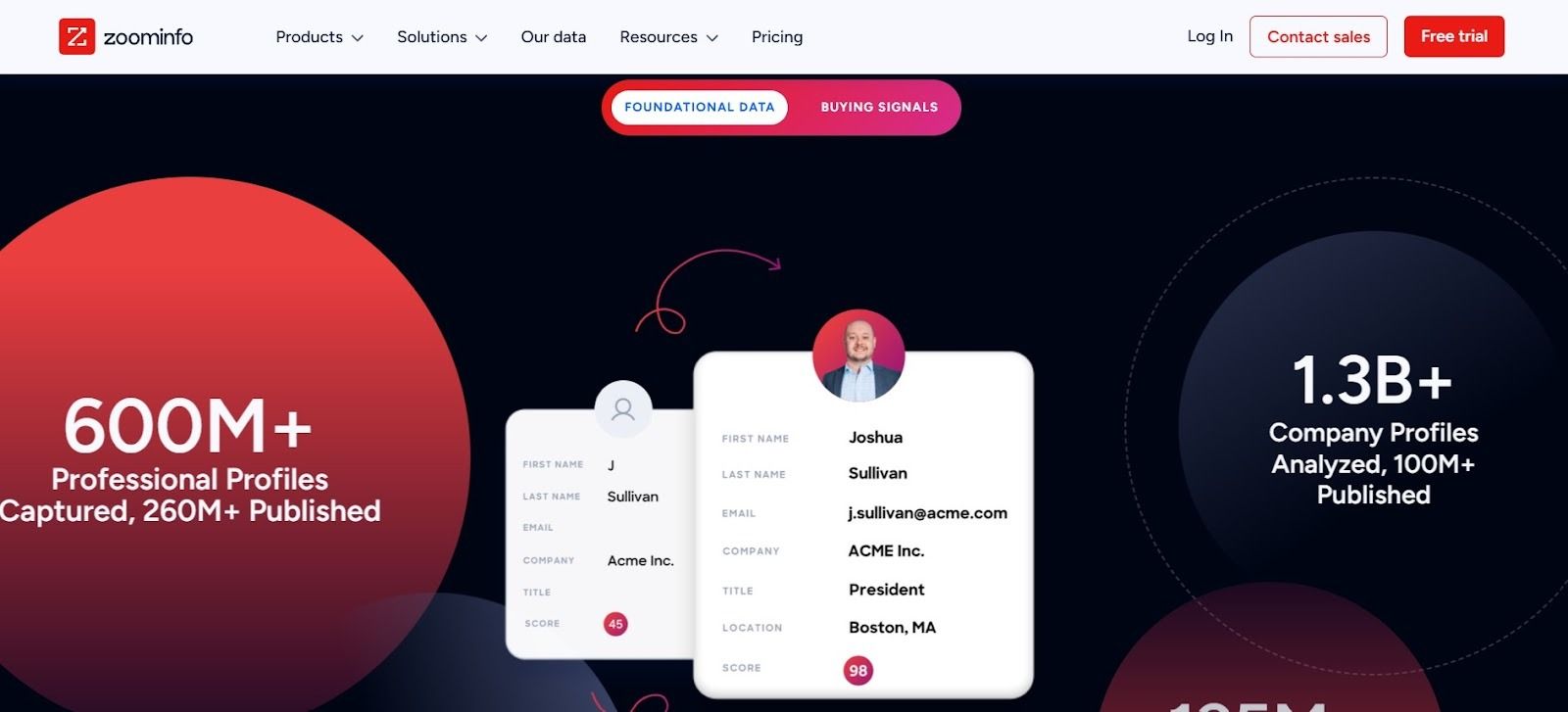
RingLead (via ZoomInfo OperationsOS) leans heavily into admin enablement through documentation and training content.
Support considerations:
- Self-serve knowledge base and training videos covering core workflows (dedupe, enrichment, routing)
- ZoomInfo University courses and onboarding-style enablement for admins
- Certification and structured training paths available for platform proficiency
- Support access is handled through ZoomInfo’s broader support ecosystem rather than a clearly packaged services model on the RingLead site
If your team is comfortable implementing through documentation and training resources (and you prioritize enablement depth), RingLead’s model can work well.
Customer support verdict
LeanData suits teams that want support to de-risk complex routing rollouts and ongoing rule changes.
RingLead suits teams that can run implementation internally and prefer a training-first model for maintaining CRM hygiene at scale.
LeanData vs RingLead: integrations
In RevOps, integrations determine whether routing and data governance operate in isolation or as part of a connected GTM system.
Weak integration depth creates:
- data latency between marketing and sales
- routing decisions based on incomplete enrichment
- manual reconciliation across tools
Here’s how LeanData and RingLead compare.
LeanData: integrations
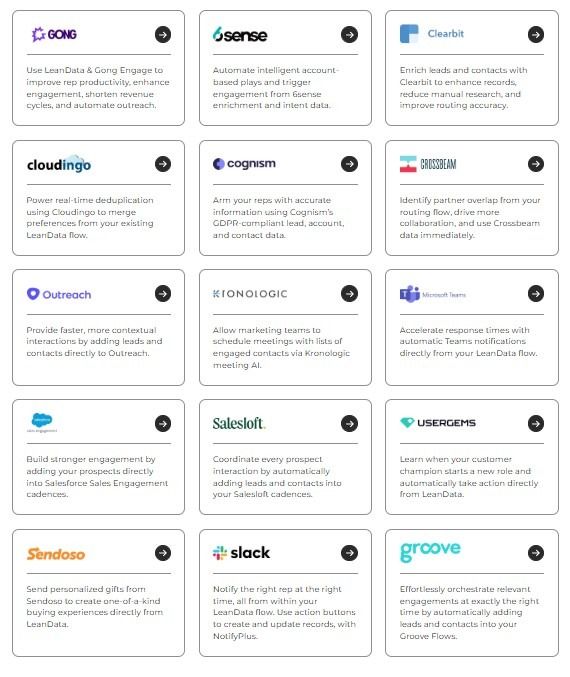
LeanData is deeply embedded within Salesforce.
- Native Salesforce integration across leads, contacts, accounts, and opportunities
- Compatible with major marketing automation platforms for inbound routing flows
- Optimized for Salesforce-centric environments
- Designed to enhance CRM routing rather than orchestrate workflows across multiple external systems
LeanData performs best when Salesforce is the operational center of gravity.
RingLead: integrations
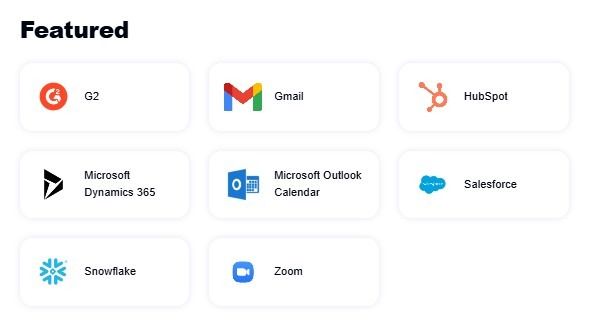
RingLead also centers heavily around Salesforce-based data governance.
- Strong CRM object-level control for deduplication and normalization
- Compatible with common enrichment providers
- Primarily operates within the CRM layer
- Less emphasis on cross-platform workflow orchestration
RingLead integrates well for hygiene initiatives, but doesn’t function as a routing orchestration hub.
Integrations verdict
Both LeanData and RingLead integrate strongly within Salesforce ecosystems, but they’re still CRM-centric platforms. If you need workflows to run cleanly across marketing automation, enrichment, outbound, and CRM systems, you’ll want to evaluate whether a cross-system orchestration platform (like Default) is a better match.
LeanData vs RingLead: ease of use
Ease of use comes down to how quickly you can deploy, how much ongoing rule maintenance is required, and how safely you can make changes as territories evolve. That directly affects time-to-value and admin load.
Here’s how LeanData and RingLead compare.
LeanData: ease of use

LeanData is powerful, but that power requires structured configuration.
Key usability considerations:
- Deep Salesforce-native architecture increases dependency on CRM admin expertise
- Advanced routing builders support complex territory splits and exception logic
- Ongoing governance is required as territories evolve
- Implementation typically involves guided onboarding due to configuration depth
For mature enterprise RevOps teams with dedicated Salesforce support, LeanData is manageable.
For lean teams, configuration complexity can slow adoption and iteration.
RingLead: ease of use
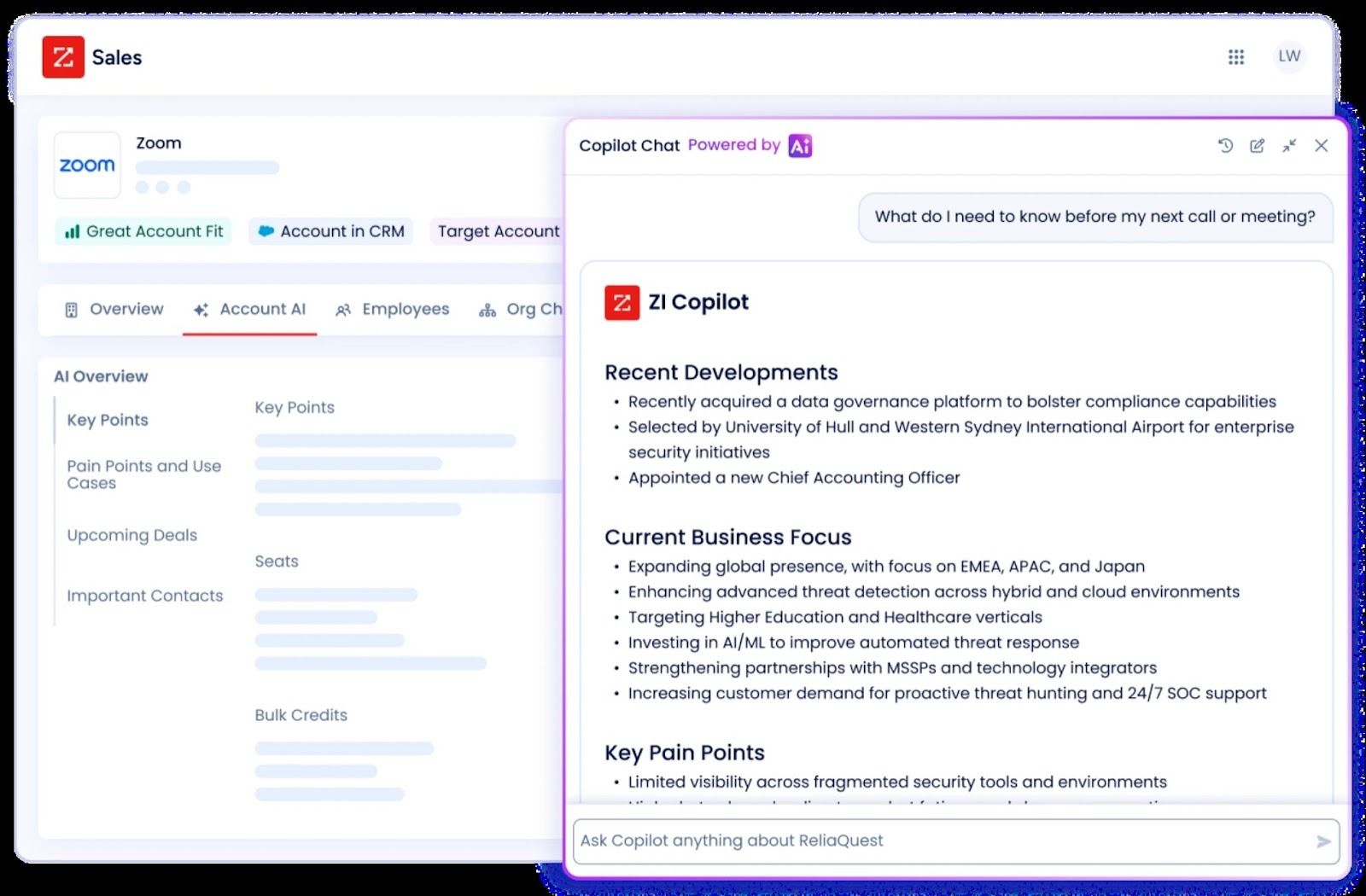
RingLead is generally more straightforward, particularly for structured data hygiene initiatives.
Key usability considerations:
- Batch-based deduplication tools designed for database cleanup
- Configurable match rules across leads, contacts, and accounts
- Limited routing configuration burden since routing is not core functionality
- Lower ongoing rule sprawl compared to routing-heavy platforms
RingLead is easier to deploy when the objective is database normalization rather than real-time orchestration.
Ease of use verdict
RingLead is typically simpler to deploy for targeted data hygiene programs.
LeanData offers deeper routing capability but requires stronger Salesforce fluency and ongoing rule management.
LeanData vs RingLead: routing logic & orchestration depth
Routing affects lead response time, assignment accuracy, and territory governance. In practice, routing depth determines how much complexity you can support before maintenance overhead and exceptions start slowing execution.
LeanData: routing logic
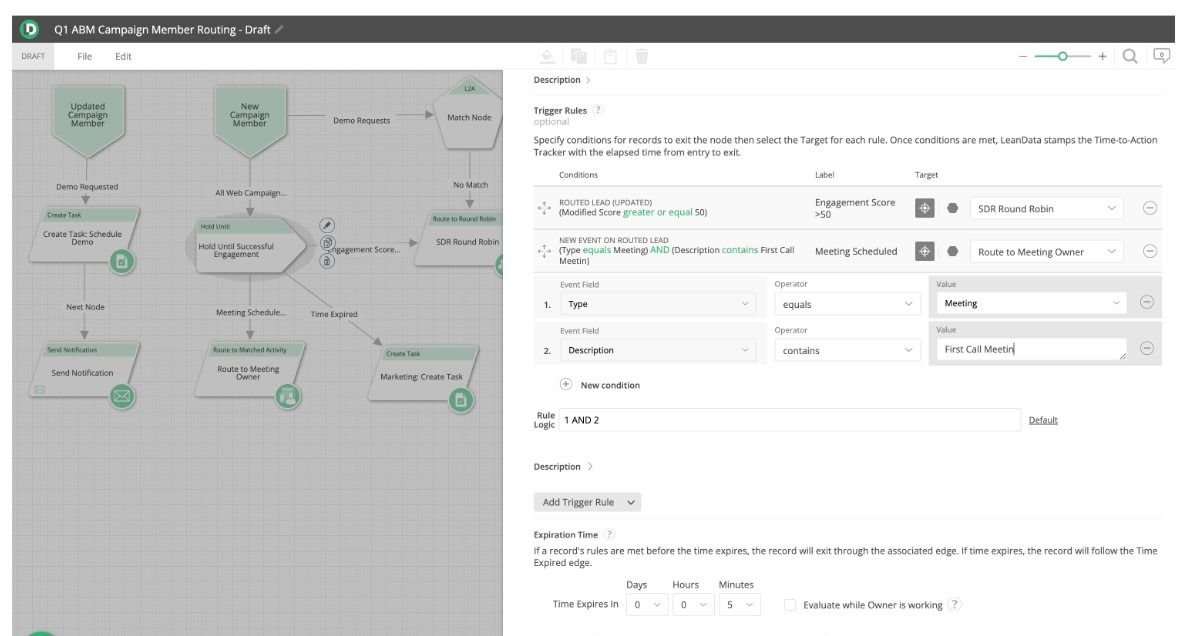
LeanData is purpose-built for advanced routing inside Salesforce.
Routing characteristics:
- Sophisticated lead-to-account matching across complex hierarchies
- Territory-based assignment logic including geographic splits, product overlays, and named accounts
- Round-robin distribution with layered exception handling
- SLA-based prioritization rules for speed-to-lead enforcement
LeanData’s routing engine is robust, particularly for enterprise teams managing multi-layer sales structures.
RingLead: routing logic
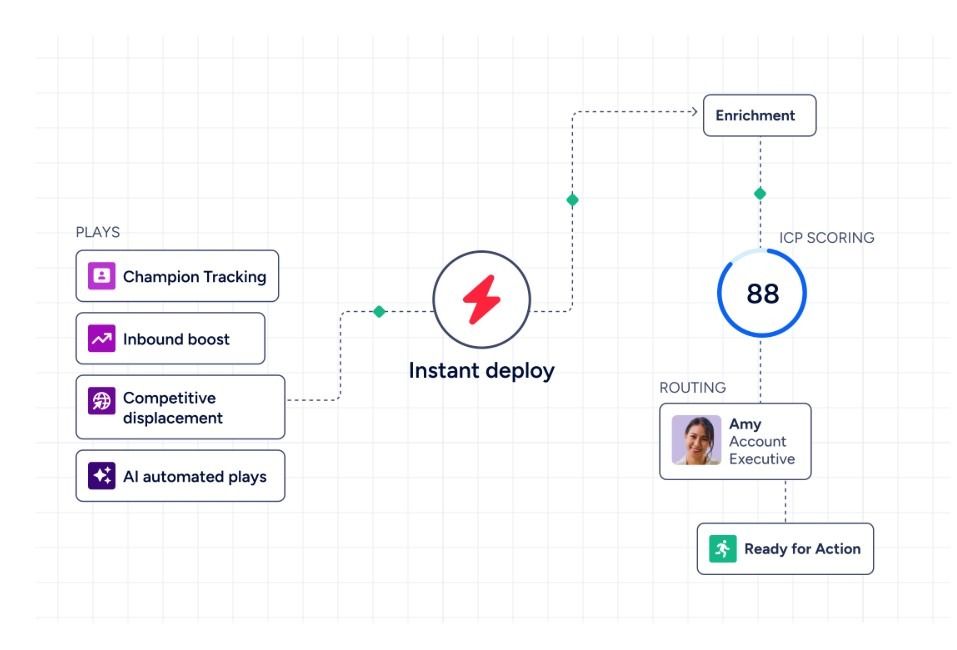
RingLead’s strength lies upstream of routing.
Routing-related characteristics:
- Duplicate prevention before assignment
- Matching logic to consolidate records prior to routing
- Limited support for complex SLA-driven or territory-based routing
- Primarily batch-oriented database normalization
RingLead strengthens the data foundation but does not replace a dedicated routing engine.
Verdict
LeanData clearly outperforms RingLead in routing logic depth and ownership orchestration.
RingLead contributes by cleaning records before assignment, but doesn’t manage complex territory governance.
If routing accuracy, SLA enforcement, and territory modeling are your primary bottlenecks, LeanData offers stronger core functionality.
How does Default compare to LeanData and RingLead?
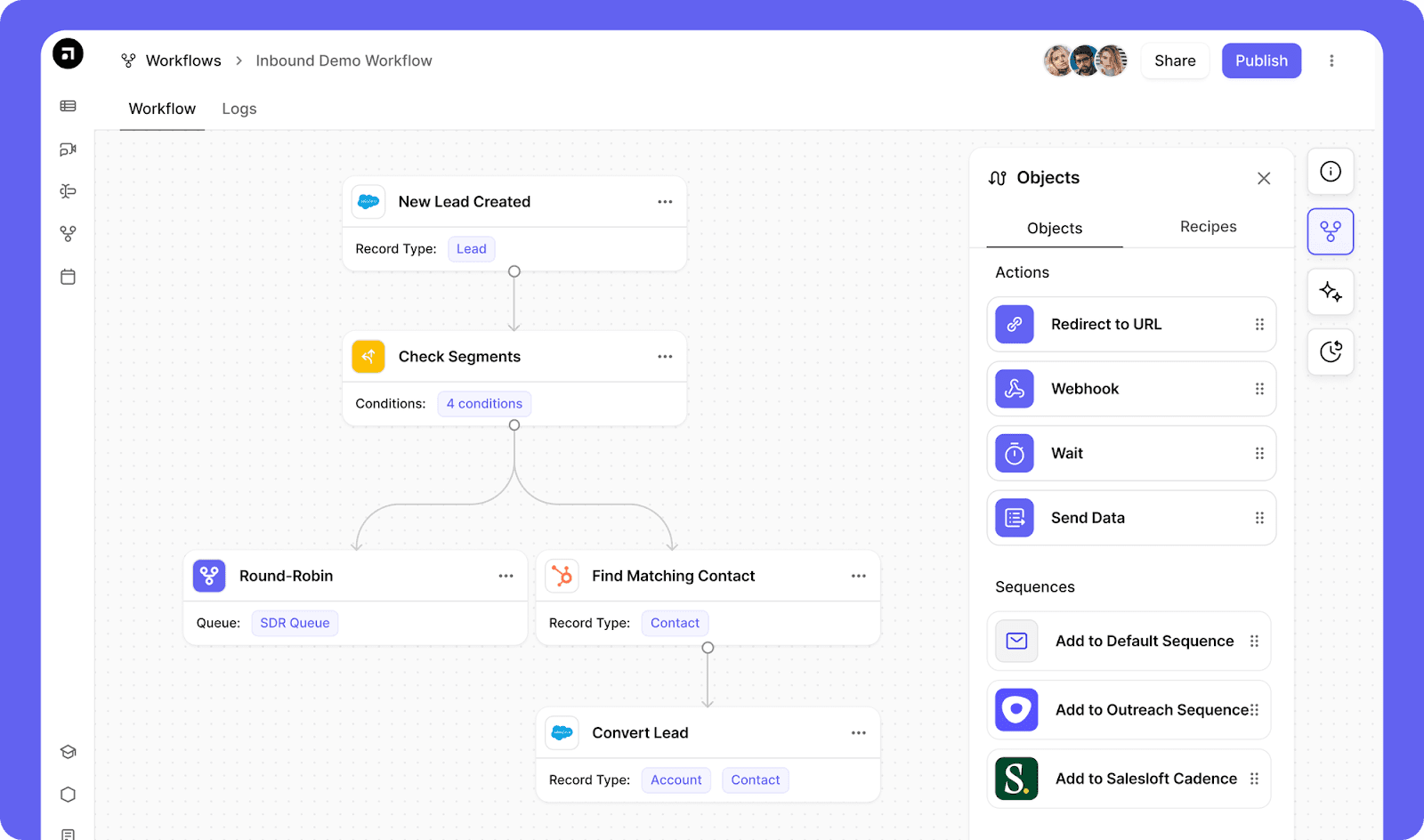
LeanData and RingLead are strong point solutions, but they optimize for different constraints. LeanData is strongest on Salesforce-native routing, while RingLead is strongest on CRM hygiene.
Instead of solving routing or data integrity in isolation, Default connects routing, enrichment, deduplication, and ownership governance into one operational layer — so execution doesn’t break as your GTM motion scales.
Where LeanData is routing-first, and RingLead is hygiene-first, Default is designed to consolidate the full workflow.
Pricing
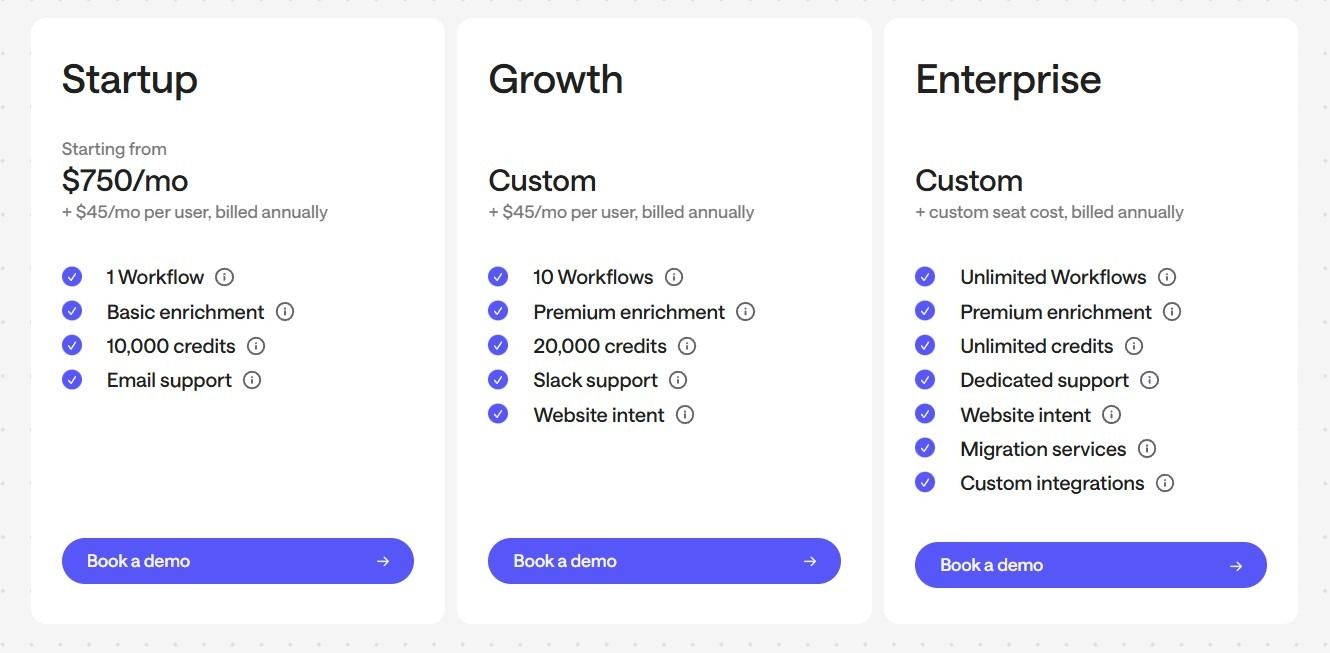
Default offers structured pricing aligned to routing volume and workflow complexity.
Pricing advantages:
- Core execution workflows included (routing + enrichment + dedupe)
- No modular stacking required across separate point solutions
- Lower total cost of ownership through tool consolidation
- Faster implementation compared to admin-heavy Salesforce-native routing builds
Default’s pricing reflects consolidation, not fragmented add-ons.
Ease of use
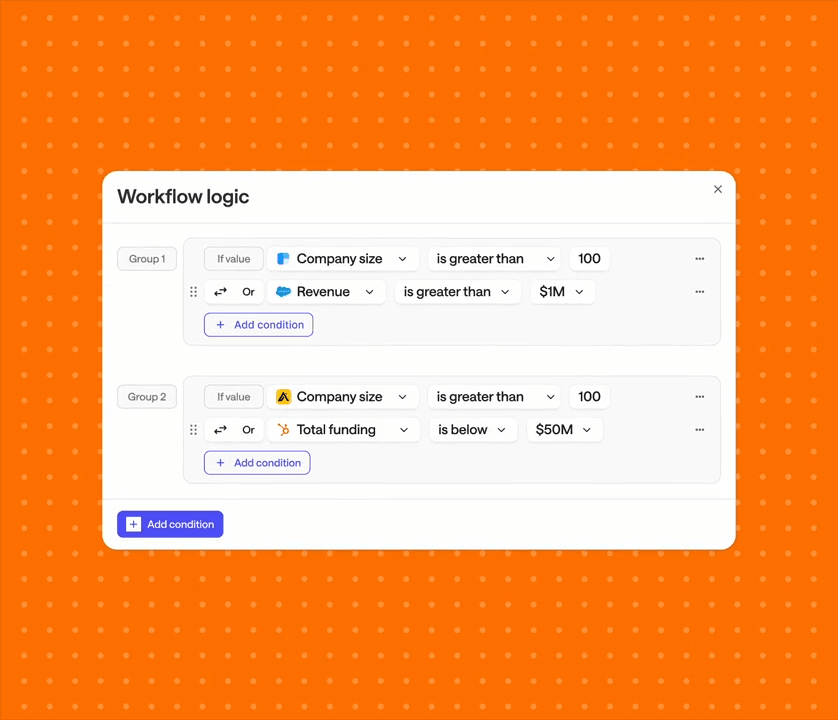
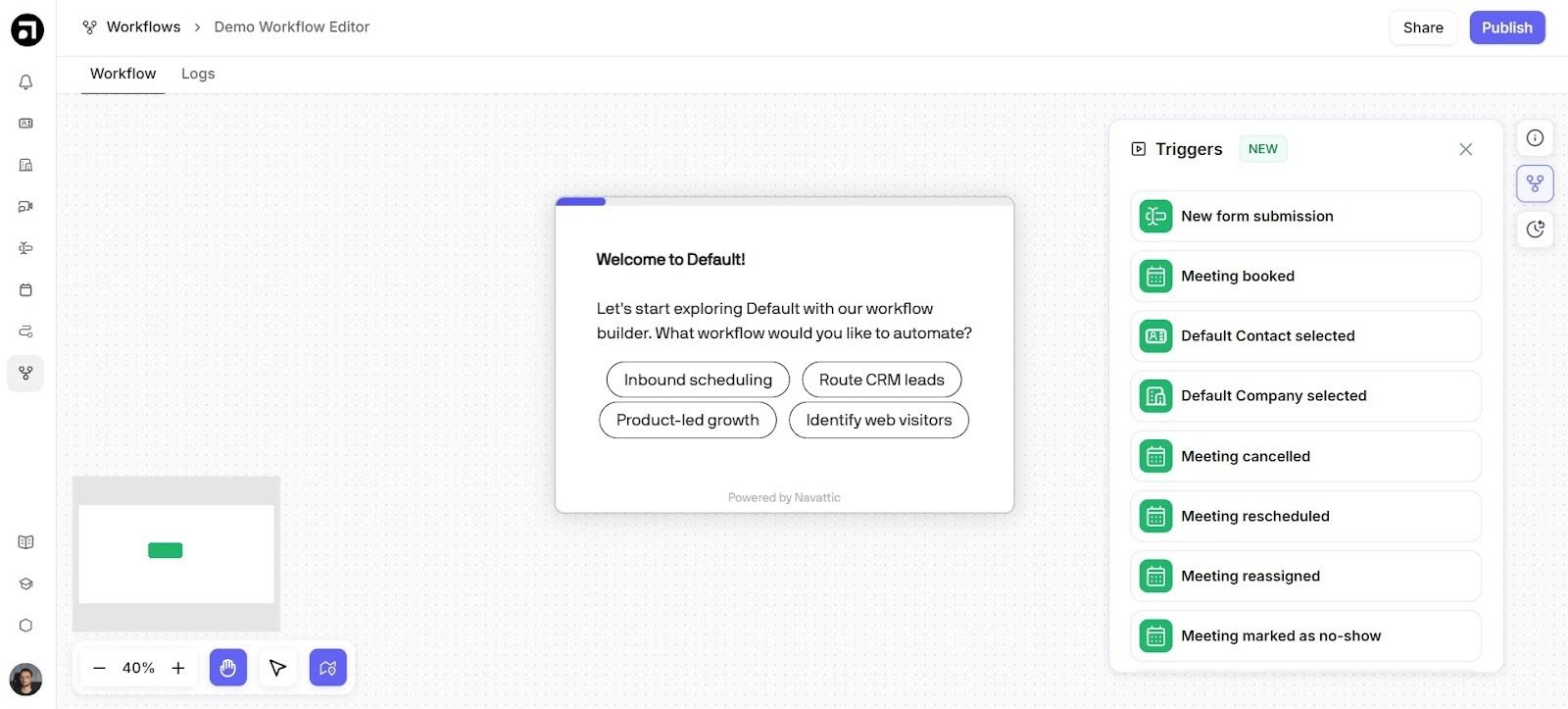
Default prioritizes deployment speed and iteration clarity.
Usability strengths:
- Visual workflow-based routing logic without complex Salesforce object manipulation
- Real-time triggers for assignment and enrichment (not batch-based processing)
- Centralized governance visibility into routing decisions and SLA adherence
- Lower admin dependency for ongoing territory changes
Default is optimized for iteration speed as routing rules evolve.
Customer support
Default emphasizes implementation guidance tied to revenue execution.
Support strengths:
- Guided onboarding for routing validation and territory mapping
- Success support aligned to SLA protection and funnel velocity
- Faster escalation pathways when routing impacts pipeline performance
Support is structured around operational outcomes, not just product usage.
Integrations
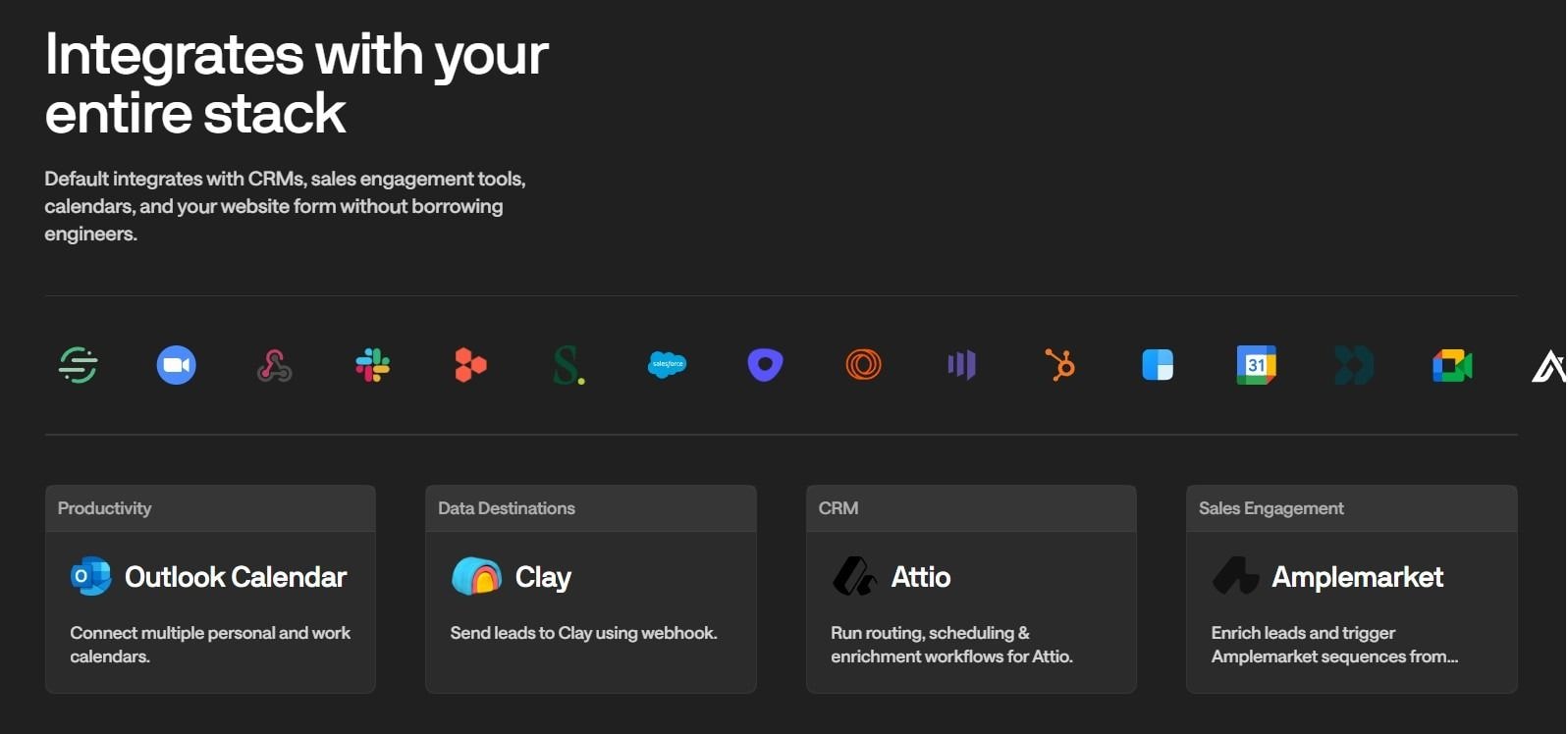
Default is designed for cross-system GTM execution.
Integration strengths:
- CRM + marketing automation alignment (Salesforce, HubSpot, Marketo)
- Enrichment vendor compatibility through workflow-triggered append
- Works alongside outbound engagement platforms
- Event-driven architecture for real-time routing and orchestration
If your GTM motion depends on routing, enrichment, and ownership working together seamlessly, explore how Default’s <a href="https://www.default.com/solutions/revops-automation-platform">RevOps automation platform</a> unifies execution and reduces operational complexity as you scale.
Routing logic and orchestration depth
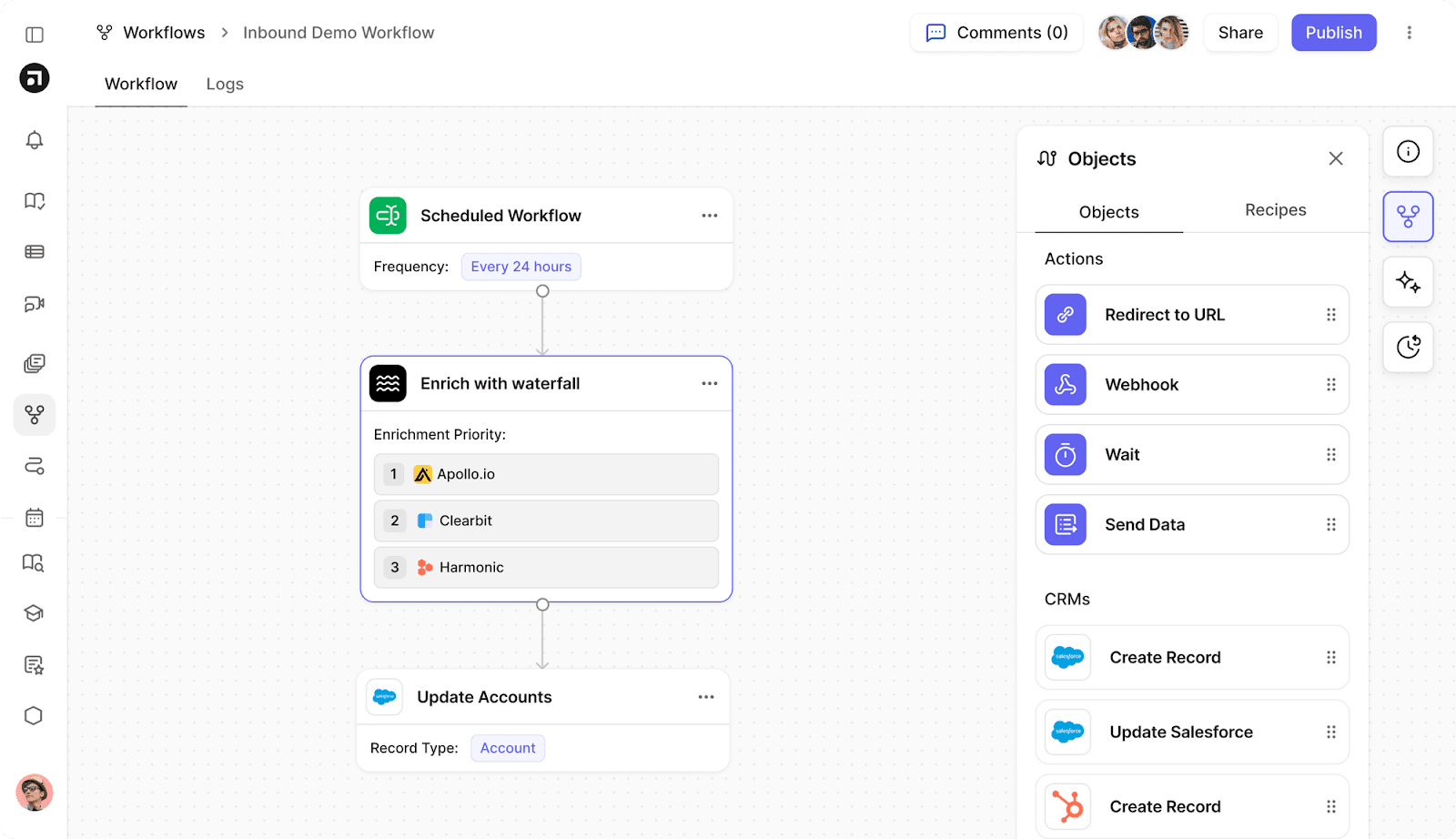
Default blends routing depth with execution agility:
- Unified routing + enrichment in the same workflow
- SLA enforcement with centralized visibility
- Territory flexibility without Salesforce-native rule sprawl
- Ownership governance across leads, contacts, and accounts
See how Default performs inside a real routing and enrichment workflow → book a demo today.
Where Default shines
- Tool consolidation: Replace multiple routing and hygiene workflows with one execution layer.
- Operational agility: Iterate on ownership models without rebuild cycles.
- Revenue visibility: Centralize routing performance and SLA compliance
Where Default falls short
- Salesforce-native preference: Not purely Salesforce-native for deeply embedded CRM environments.
Customer reviews
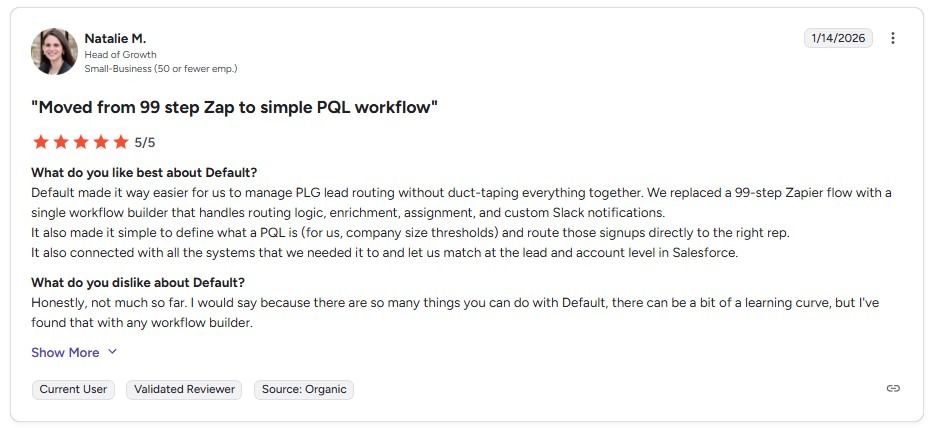
“Default made it way easier for us to manage PLG lead routing without duct-taping everything together. We replaced a 99-step Zapier flow with a single workflow builder that handles routing logic, enrichment, assignment, and custom Slack notifications”. - Natalie M., validated G2 reviewer
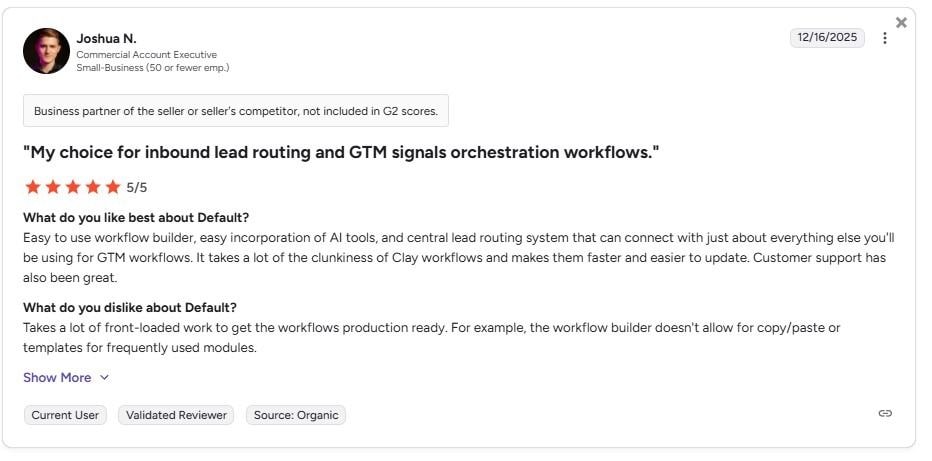
“Easy to use workflow builder, easy incorporation of AI tools, and central lead routing system that can connect with just about everything else you'll be using for GTM workflows”. - Joshua N., validated G2 reviewer
Who Default is best for
- Modern RevOps and GTM leaders: Teams scaling multi-channel acquisition who need routing, enrichment, deduplication, and ownership automation operating together — without stacking disconnected tools.
LeanData vs RingLead vs Default: which is the best RevOps platform?
Below is a side-by-side scoring view across core RevOps capabilities. Scores reflect routing depth, data governance strength, sales workflow consolidation, and overall execution impact.
Get started with Default
If you’re fixing one narrow issue, a point solution can be enough. But when routing delays, duplicate inflation, and workflow gaps stack up, the real cost shows up in missed SLAs, messy attribution, and constant admin work.
Default unifies routing, enrichment, and ownership governance in one execution layer.
See how it would run in your stack: book a demo and pressure-test it against your current workflows.